
For designers, brand owners, and packaging professionals, color consistency is everything. While RGB colors work for screens, Pantone (PMS) colors are the gold standard in print. If you're wondering how to convert RGB to Pantone, this guide walks you through the best tools, tips, and what to watch out for when preparing files for production.
Feature | RGB | Pantone (PMS) |
Use case | Digital (screen) | Print (physical materials) |
System | Light-based | Ink-based |
Accuracy | Device-dependent | Industry-standard |
🌟 Pro Tip: If you're unsure whether to use CMYK or Pantone for your print job, check out our full article onHow to Choose Between CMYK and Pantone Colors. It breaks down when each is appropriate for different packaging needs.
Since RGB and Pantone are fundamentally different, there’s no exact match—but you can get close using professional tools:
Input your RGB or HEX code at pantone.com/color-finder for instant suggestions.
Use tools like:
RGB: R: 0, G: 174, B: 239
Closest Pantone: Pantone 299 C
Always cross-check with a physical Pantone swatch book before final print.
1. Not all RGB colors have Pantone matches
2. Pantone color appearance changes between coated/uncoated paper
3. Digital previews aren’t always reliable
4. Print a physical proof to ensure accuracy
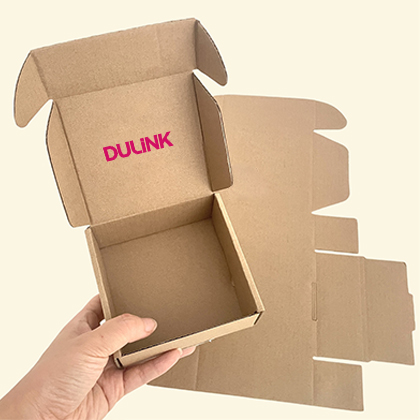
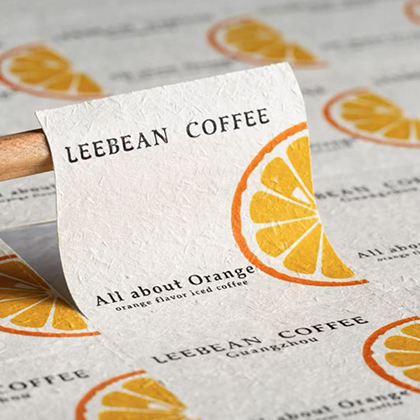
Converting RGB to Pantone is crucial for printing boxes, bags, stickers, or labels. It ensures your brand color stays consistent across all platforms.
If you’re still debating whether CMYK printing or Pantone spot colors are better for your packaging project, check out this guide:
👉 How to Choose Between CMYK and Pantone Colors
RGB to Pantone conversion ensures your designs are print-ready and brand-consistent. Use reliable tools, test with physical samples, and know when to use Pantone vs CMYK.
Dulink Pack provides premium custom packaging and expert printing consultation. Contact us to make sure your colors come out perfect—every time.